
Heading for Spain: a market to discover
Looking to break into the Spanish market? Beyond its geographic proximity, the country has plenty to offer. But the market has features that set it apart from its European neighbours and change the game for sales forces. Follow the guide.
Contents
Hit hard by the 2008 crisis, Spain struggled for years to shake off the image of a country weakened by the property crash and unemployment. Yet today the reality is quite different. With 48 million inhabitants and 3.2% growth in 2024, the market is among the most dynamic in Europe. Healthy exports and domestic consumption make the Iberian Peninsula fertile ground for companies looking to grow. Despite its geographic proximity to France and shared Latin roots, the Spanish market has specific features that any manufacturer must master to succeed there. All aboard. Your guide for the occasion is Matthieu Laval, Field Sales Manager at Nestlé. A globetrotter at heart, Matthieu built solid international expertise over his career before settling in Spain in 2001. He shares his keys to approaching this market with accuracy and efficiency.
Distribution: understanding how the market works
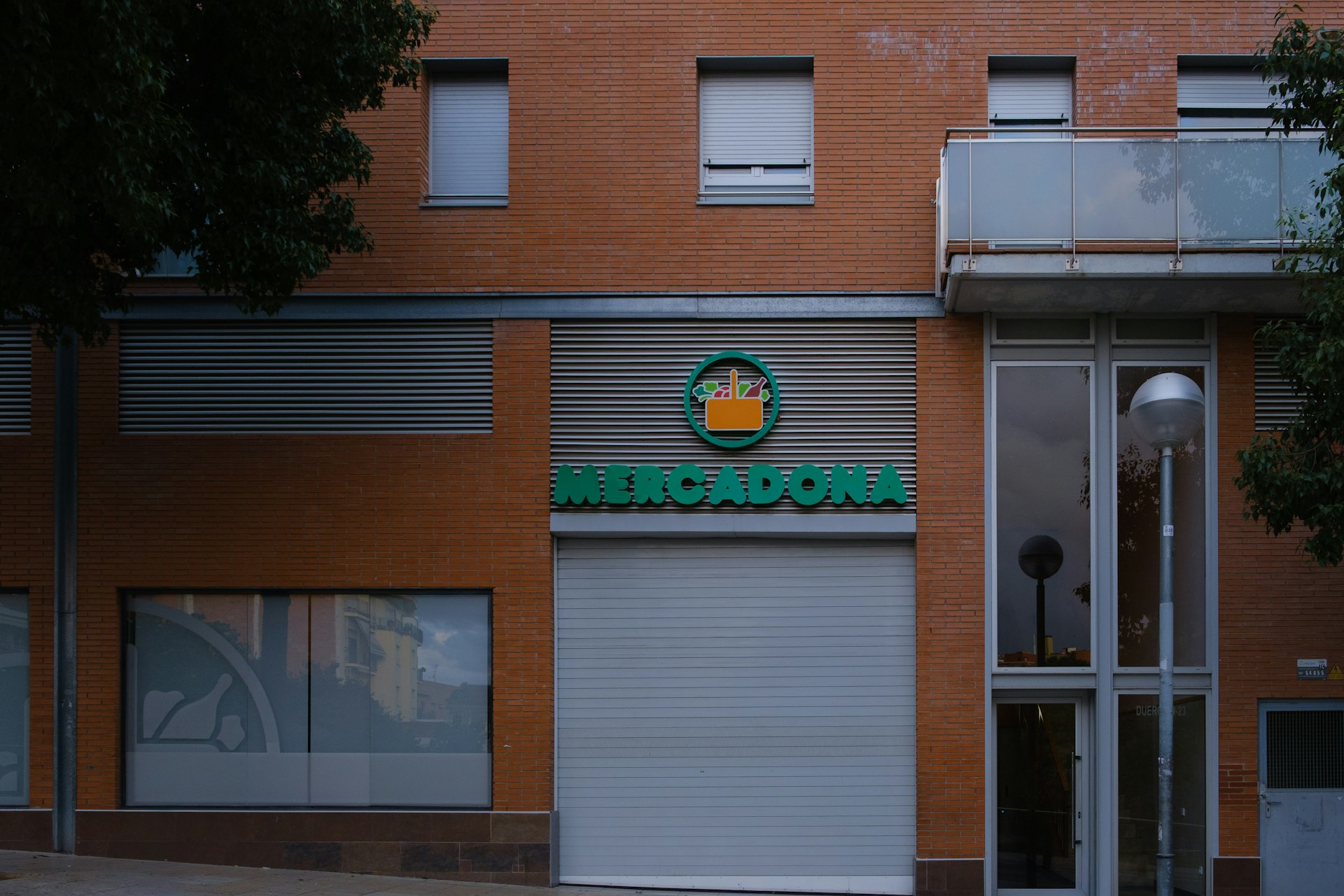
60% of food sales in Spain take place in large retail outlets. Because of high urbanisation and shopping habits, neighbourhood supermarkets hold up well against hypermarkets. In this highly competitive market, one leader clearly stands out: Mercadona, which alone captures 26.7% market share. With its 1,700 stores, the group is far ahead of Carrefour and Lidl, with 9% and 7% market share respectively. Behind this top three, the rest of the market is fragmented, with strong local regional players. From Catalonia to the Basque Country and Andalusia, succeeding in Spain means adapting your offer to the specific expectations of each region.
A traditional consumer response to an uncertain economic climate, private labels are a great success in Spain. Mercadona sells 80% of its range under its own brand. An extra challenge for manufacturers looking to stand out, win shelf space and build long-term consumer loyalty.
In the field, combining presence and expertise
These market features have very concrete consequences for sales teams. Beyond fierce competition, the dominance of private labels means brands that want to get listed must invest in physical stores. Shelf space is expensive. Performance depends above all on the quality of execution. Teams need to combine commercial excellence, merchandising skills and the ability to adapt to local specifics. Key skills for tailoring offers and sales pitches and maximising in-store impact.
Given the number of products to promote, and to support both product expertise and in-store presence, Nestlé has organised its workforce by geography and by category. The result? Sharp sales reps who know their subject inside out and a stronger presence in stores. “It's common for two sales reps to visit the same site. Besides the credibility it gives us with our customers, this organisation creates great synergies between teams and supports continuity of operations,” says Matthieu Laval.
A favourite playground for innovation
Spain has not escaped the technological wave of recent years. Within the Nestlé group, it is actually where new solutions are tested before being rolled out on a larger scale. Data, visual recognition, artificial intelligence: these tools are now indispensable day-to-day allies for all retail professionals. Whether to analyse their markets and optimise store coverage, or to steer their strategic plans and prioritise promotional campaigns in the right place, at the right time.
“Speed over perfection” is Matthieu Laval's motto when choosing innovations and future developments. “Speed of execution is what matters. For routing, for example, we focus on simple, agile, intuitive solutions that optimise travel time and maximise operational efficiency.” The latest innovation is Fieldie, a virtual assistant that provides real-time key information on any given store. Faster negotiation and decision-making, prioritised visit scope and schedule, optimised strategic actions: the newcomer could very quickly become the indispensable companion of every field sales rep.
Competitive, complex and demanding, the Spanish market is nonetheless full of opportunities. “Truth on this side of the Pyrenees, error on the other side”: Blaise Pascal was certainly no business expert, but he got it right in his time. For those who know how to decode its specifics, the country offers real growth prospects. Dreaming of sales results worthy of the Spanish national football team? Over to you.


Let's talk about your sales organization
A 30-minute session with a Datakiss expert to uncover opportunities to optimize your sales organization.
Sales planning & visits
October 22, 2026
Spanish pharmacy: the power of recommendation in the age of data
22,000 pharmacies, mostly independent: how pharma companies cover the Spanish market. Insights from Juan Pablo Arán, Beiersdorf.
Sales management & performance
August 7, 2024
SMART(E) objectives for field sales
Around a third of salespeople don't believe in the way their objectives are set, and think that the processes used lack transparency. Is this enough to explain

Territory design
August 6, 2024
I have done my sectorization. What's next?
Too often, the organization resulting from sales sectorization remains fixed over time and deteriorates with the ups and downs of the sales force.