Size
Your potential is real. The question is how many reps it takes to cover it
Capacity Planning calculates the headcount you need to cover your customer base and meet your objectives, and tells you which territories to create, merge, or remove.




There is a gap between strategy and the field

Sizing is one of the most demanding and most strategic calculations of the year: how many sales reps, for what targets, and across what scope. Without the right tool, it's often handled with a spreadsheet rebuilt once a year, hard to update, and unable to reflect the geography of the field.
As a result, hiring and headcount decisions get made without a solid, objective basis. One sales rep too many is costly. One rep too few leaves potential untapped.
Designed for leaders who decide on facts

Executive & Sales Leadership
Base your headcount decisions on facts, and balance growth against cost control.

National Sales Management
Size your teams and justify their headcount against the coverage you plan to deliver.

Sales Ops & Commercial Excellence
Build reliable, reusable, and repeatable sizing scenarios to speed up your analyses and decisions.

Human Resources
Anticipate hiring needs and manage headcount changes on an objective basis.
What good sizing changes
Right-size your teams
Avoid the overstaffing that drives up costs and the understaffing that caps your potential. Your resources follow your objectives and your market.
01
Base your decisions on facts
Every role created or removed rests on an objective analysis, which makes the conversation with executive management and finance easier.
02
Adapt your sizing to every change
Objectives, organization, market, or network: rerun your simulations at any time without starting from scratch.
03
Two ways to size your teams
01
The number is already set
Budget constraint, headcount ceiling, or organizational choice: you already know how many territories you want. Capacity Planning does not challenge that number. It optimizes it by distributing workload so every territory meets the target coverage, with no blind spots.
02
Let the calculation lead
No starting constraint. Capacity Planning analyzes your actual workload and determines how many territories you need, not from a generic ratio but from your field reality.
Size in detail


01
The right number, in the right place
Capacity Planning does not stop at a number. It tells you how many salespeople you need and where to hire them.
02
Your HR constraints have the final say
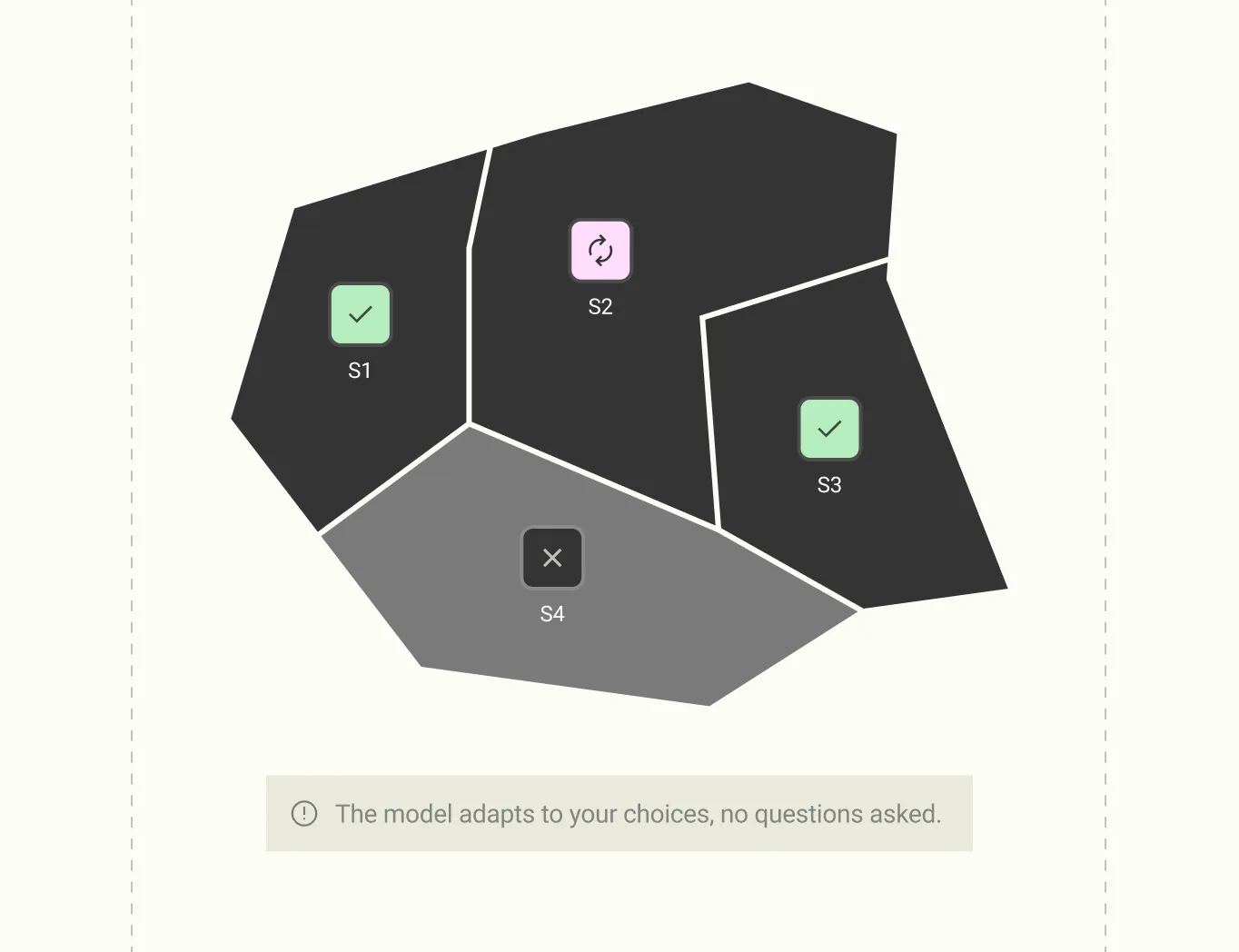
The tool calculates, you decide. A territory to protect, a frozen role, an organization you would rather not disrupt this year: you stay in control and the model adapts.
03
One criterion or another
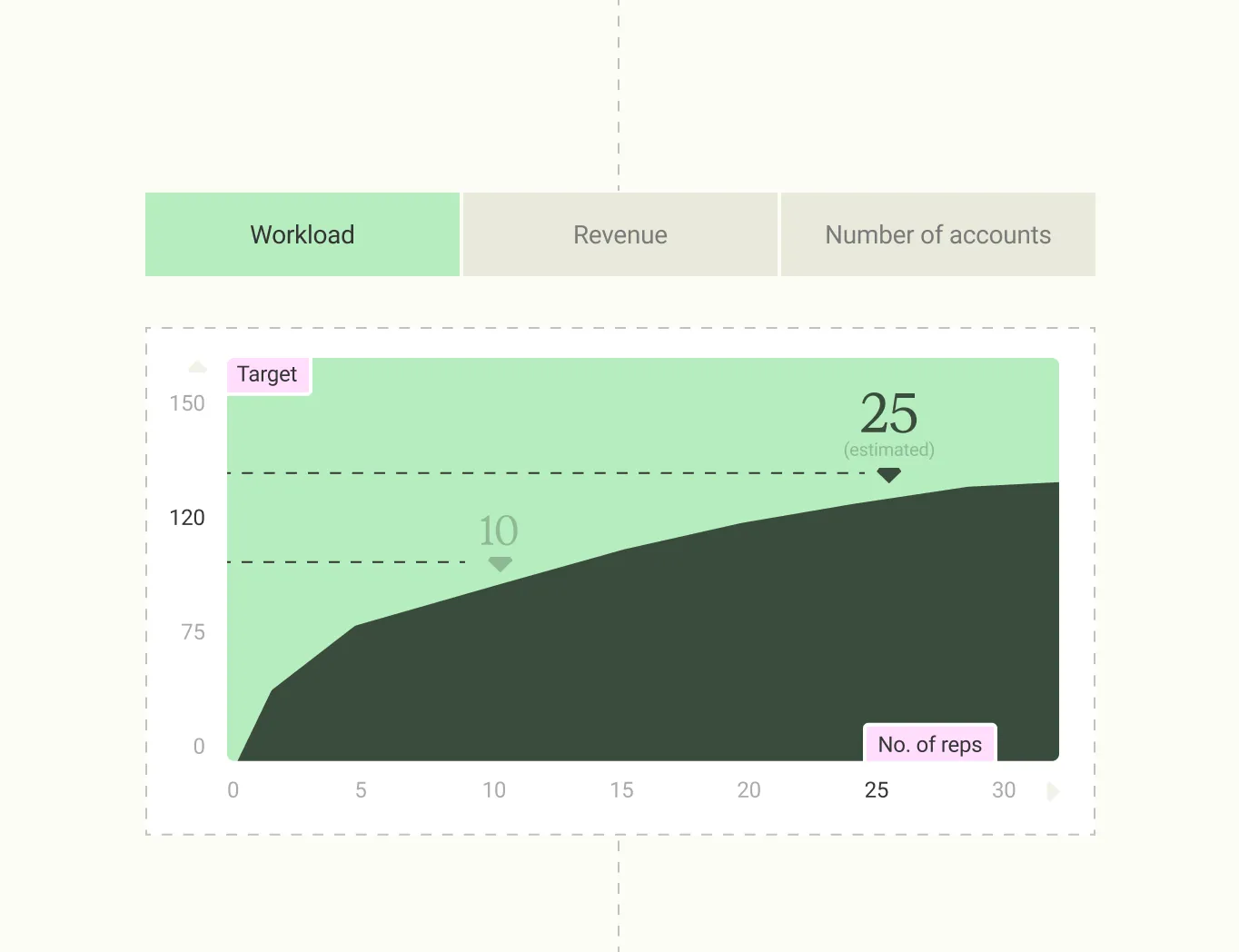
Workload, revenue, or number of accounts: sizing follows what actually drives your business.
04
A model connected to your visit policy
Capacity Planning uses your segmentation and your call plan. Any change in objectives, visit frequency, or scope feeds straight into the calculation.
05
Compare without limits
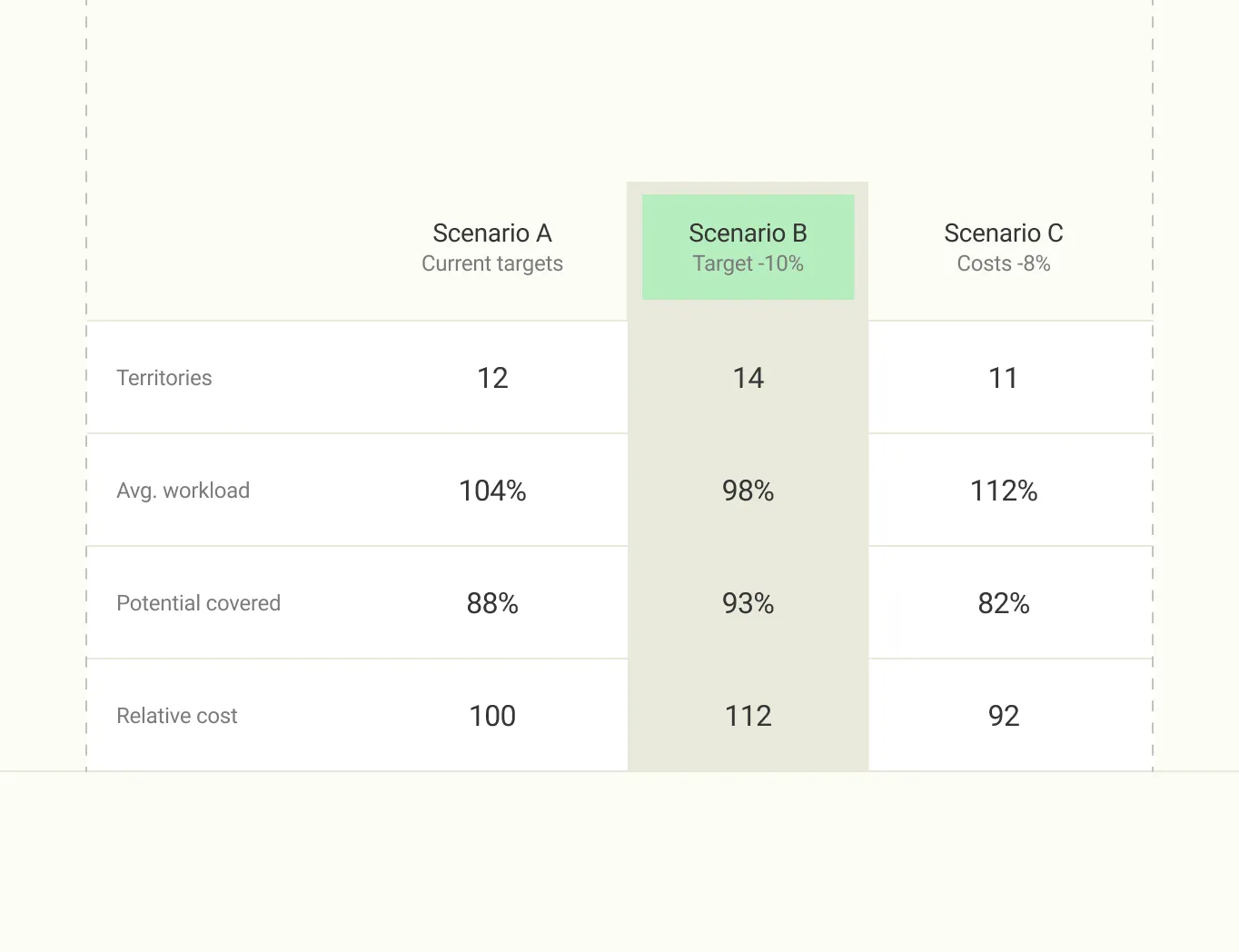
Higher objectives, adjusted frequencies, a broader scope, new HR constraints: every change in assumptions creates a new scenario. Compare them and keep the one that holds.
You stay in control. We secure the numbers
SMB or global enterprise, the standard stays the same. You choose your level of support.
Option 01
Self-service
Run your scenarios, adjust your assumptions, and rerun them as often as you like, with responsive support whenever you need it.
Option 02
Expert-led
Our consultants challenge your coverage and target assumptions, and build a sizing model you can defend.
When to (re)size?
01
Budget or headcount planning
Estimate your target headcount before you commit to hiring and budgets.
02
Changes in sales targets
Know how many reps you need to hit your new targets.
03
Launching a network or a new business
Size your sales force based on target coverage, even without historical data.
04
Cutting costs without losing coverage
Adjust headcount while preserving sales coverage and growth potential.
05
Merger or acquisition
Recalculate your sizing when your scope changes, whether you are merging entities or integrating a new sales force.
Frequently asked questions
Do I have to start from scratch to size my team?
No. Capacity Planning uses your segmentation and your call plan. You can rerun a sizing exercise at any time without rebuilding your model.
Does the calculation include travel time?
Yes. Sizing includes visit and travel times, so it reflects your teams' actual workload.
Do I have to choose between target sizing and my current organization?
No. Target mode calculates the headcount you need to reach your objectives. Current-organization mode measures the gap and identifies the territories to change.
Can I compare several scenarios?
Yes. Vary your objectives, visit frequencies, or scope, then compare the results.
Is my data secure?
Yes. Your data is hosted in France with an ISO/IEC 27001-certified provider, in a GDPR-compliant environment.


Ready to know the headcount you really need?
30 minutes with a Datakiss specialist to see how Capacity Planning sizes your team from your own data.
The other pillars
Our latest resources

In-store execution
October 22, 2026
Heading for Spain: a market to discover
Mercadona, private labels, in-store execution: Matthieu Laval (Nestlé) shares his keys to succeeding in the Spanish market.

Sales planning & visits
October 22, 2026
Spanish pharmacy: the power of recommendation in the age of data
22,000 pharmacies, mostly independent: how pharma companies cover the Spanish market. Insights from Juan Pablo Arán, Beiersdorf.
Sales management & performance
August 7, 2024
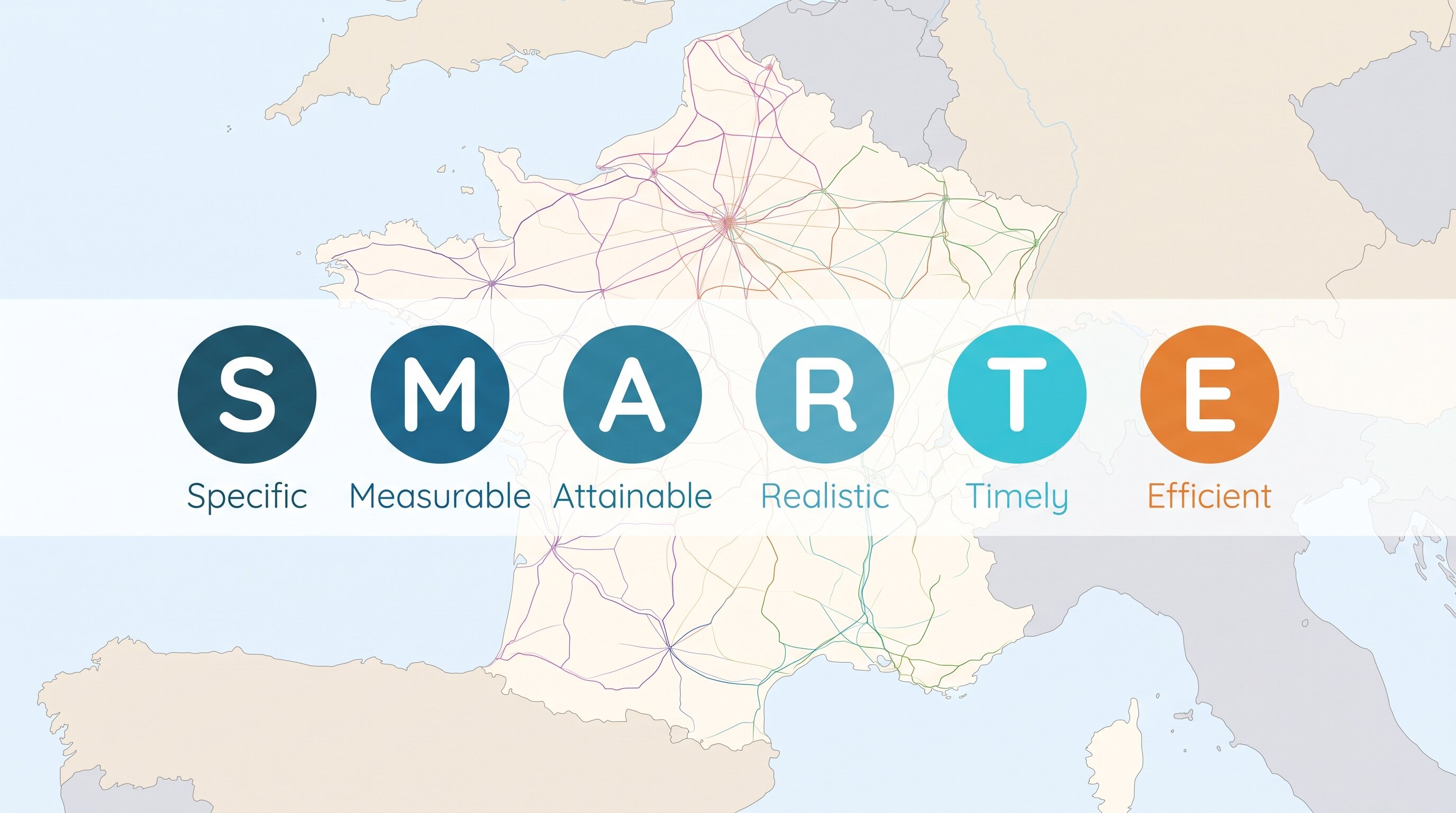
SMART(E) objectives for field sales
Around a third of salespeople don't believe in the way their objectives are set, and think that the processes used lack transparency. Is this enough to explain